A Guide to Radio Advertising
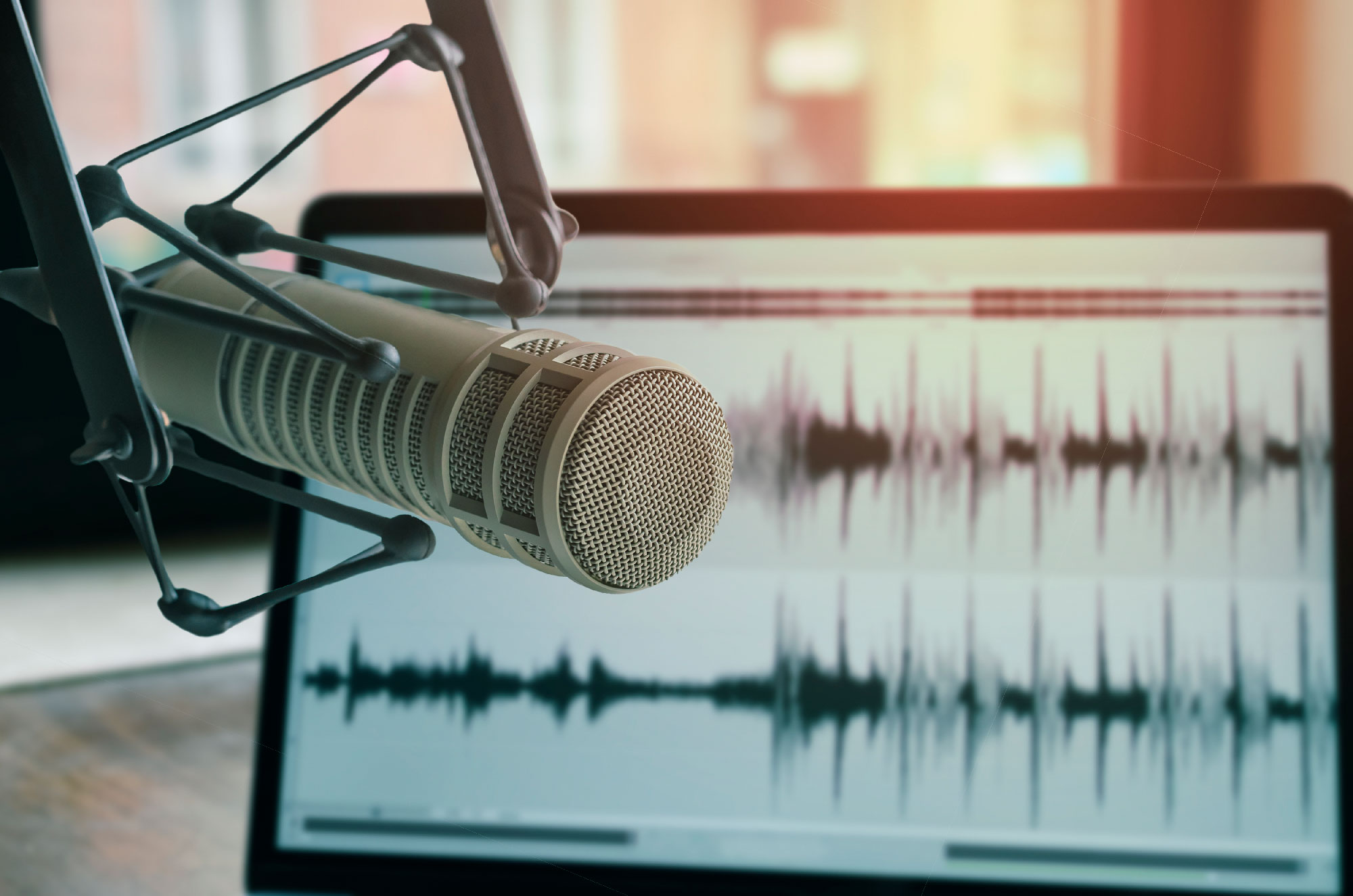
Radio Advertising is a way to market a product or business during commercial breaks on radio stations. In the United States alone there are more than 6,000 radio stations. Listeners tune into radio stations in their car, at work, on their computers, and even on their phones. Radio stations vary as there is FM, AM satellite radio, and even online streaming stations.
Different Stations to Advertise On
Deciding on what format of radio will determine the different listeners that hear the radio advertisement.
FM: Frequency Modulation, otherwise known as FM, presents music in numerous genres on different local stations.
AM: Amplitude Modulation, also known as AM, consists of stations that are usually spoken in talk formats such as news radio and sports broadcasting.
Satellite: Offered on a subscription base, satellite radio is known as SiriusXM and has over 150 stations that can be listened to across the US through a satellite base.
Online Streaming: Spotify, Pandora, and IHeartRadio are all examples of very well recognized and listened to stations that can be accessed online at any time.
Benefits of Radio Advertising
Around 59% of the total American population listens to a radio program daily. There are many different benefits to advertise via radio compared to any other platform.
Better Recall: Studies have shown that radio advertisements are more likely to be remembered compared to visual ads.
Fast Distribution: The time to create a radio advertisement is faster than any other type of marketing medium, so your ad can run almost instantly.
Great Targeting: By using radio advertisements, stations are able to directly target customers by their known listeners.
Improves Brand Awareness: Listeners will create a mental image of your company after hearing your advertisements on the radio making them want to learn more.
Types of Radio Advertisements
There are three main types of radio advertisements. Radio stations offer these spots for businesses.
Traditional Spots: An advertisement created with a voice actor, story line and jingle encouraging listeners to buy their product or service.
Sponsorship: A sponsorship is typically introduced by the radio host in the program letting the listeners know that the segment is supported by a company.
Live Read: A live read consists of the radio host reading your script live during the radio programming.
How to Create and Run a Successful Radio Advertisement
Radio Advertisments consist of a lot of elements in order to be successful.
Be Straightforward: Your advertisement should be quick, simple and straight to the message since your advertisement has only a limited amount of air time.
Be Unique: Have your radio advertisement stand out from the rest, use catchy words or phrases and sound effects to make your advertisement more memorable to its listeners.
Share A Discount: Providing a deal in your radio advertisement will have listeners listen more closely.
Decide Your Run Time: Radio advertisements typically run in 15, 30, and 60 second increments. Decide which time works best for your ad.
Be Consistent: For the absolute best results, run your radio ad multiple times a day so your listeners can hear them over and over.
Know Your Demographics: Different stations have different listeners so know who you want to target.
How Cost is Determined for Radio Advertising
The price of a radio advertisement is determined by a number of factors. Ultimately, it depends on the station’s rates and the number of chosen spots.
Rate: Different stations determine their own rates.
Spots Chosen: How many advertising time slots are chosen to be aired.
Length of Advertisement: Depending on how long your advertisement is, controls the cost.
Number of People a Station Reaches: Radio stations know how many listeners are tuning in by average quarterly hour (AQH). The way AQH is determined is measured by the number of people listening to a particular station for at least five minutes during a fifteen-minute period.
What Access To Media Offers
At Access to Media, our sales team is highly knowledgeable with both radio stations and podcasting. With a combined 30+ years of experience, we have worked tirelessly to develop relationships with all the major National radio content providers. Programming such as The Ben Shapiro Show and The Dana Loesch Show are only a few of the National shows where our team has placed our client’s advertising. Our dynamic research team has worked closely with our sales team to help develop hundreds of local radio contacts so that our advertisers are able to reach specific DMAs and stations. With the ever-growing trend in podcast listening, we have worked hard to expand our network of vendors for the most popular podcasts. We have placed with all the top producers as well as the newer podcasts. Access to Media has developed relationships with top streaming audio providers to give our clients the ability to reach very specifically targeted audiences for the best ROI. We have negotiated plans for produced spots, voiced spots, live reads, endorsements, and sponsorships. Our sales and research teams have put in the hard work to understand the research, products, and opportunities that exist in the marketplace to ensure our clients are getting the best possible value for their dollar.
Sources: linchpinseo, Jungle Communications, Fit Small Business
 SMM
SMM Digital Marketing
 Design
 Landing Pages
 Branding
 Influencers
 Creative
 Digital Advertising
We work hard as advocates for our clients – best rates – spot placement and no long term contracts – TEST and optimize

18
years in business
$1.2M+
saved for clients and counting
700+
relationships with media vendors
23,000+
hours of work a year serving our clients